Wellness visuals are changing — not because brands are “doing less,” but because audiences are asking for something different.
For years, wellness marketing leaned heavily on aspiration: pristine kitchens, flawless skin, sunlit mornings untouched by reality. These visuals sold an ideal. But today, something quieter is happening. Wellness imagery is slowing down. Softening. Breathing. And that shift isn’t aesthetic — it’s psychological.
Calm Is the New Contrast.
We live in a visually loud world. Endless scrolling. High-contrast ads. Fast cuts. Constant selling.
So when a visual appears that’s slower, softer, and less demanding, the brain responds differently. Calm now creates contrast.
Instead of competing for attention, quiet visuals invite it. They offer a pause — and in a crowded digital environment, that pause is powerful.
Trust Has Replaced Aspiration.
At the same time, consumer skepticism around wellness has increased. People are more cautious about claims, more discerning about language, and more sensitive to anything that feels performative or over-promised.
In this environment, louder marketing doesn’t reassure — it raises flags.
Quiet visuals, on the other hand, communicate confidence. They imply transparency. They suggest that a product doesn’t need to convince aggressively because it can stand on its own.
Calm doesn’t just feel good — it reads as credible.
What “Quiet” Wellness Visuals Actually Look Like.
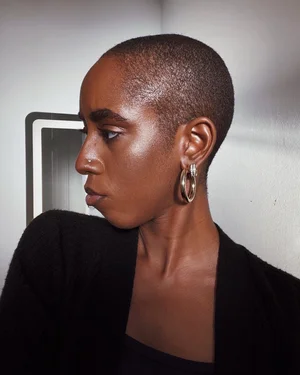
Quiet doesn’t mean empty or minimal for the sake of minimalism. The most effective wellness visuals today are rich in sensory information, just delivered more intentionally.
We’re seeing:
softer, directional lighting instead of flat brightness
shadows and negative space used as design tools
slower pacing in video, with fewer cuts and longer holds
tactile textures like steam, water, fabric, and grain
real-life ritual moments instead of staged perfection
These visuals still communicate value — they just do it without noise.
Why This Approach Converts.
Before someone buys a wellness product, they subconsciously ask: Is this safe for me? Quiet visuals help answer that question.
They reduce visual threat, which allows attention to settle. Sustained attention builds familiarity. Familiarity builds trust.
Trust is often the missing metric in performance conversations — but it’s the foundation that makes conversion possible, especially in wellness.
Where Brands Miss the Mark.
The mistake many brands make is confusing “quiet” with “nothing.” Minimal visuals without emotion, story, or sensory cues don’t feel calm — they feel hollow. Clean but forgettable.
Quiet only works when there’s intention behind it:
A ritual being communicated
A feeling being evoked
A reason the moment exists
Without that, minimalism becomes silence — and silence doesn’t sell.
Designing for Trust, Not Just Aesthetics.
The most effective wellness visuals today answer three questions without ever saying them out loud:
How does this fit into real life?
What does this feel like in the body?
Why should I trust this moment?
When visuals answer those questions, they don’t need to shout. They don’t need to overexplain. They simply resonate.
The Bigger Shift.
Wellness doesn’t need to be louder. It needs to be truer. Quieter visuals aren’t a trend, they’re a response. To overstimulation. To skepticism. To a collective desire for regulation over aspiration.
This is the direction trust is moving. And it’s only the beginning.